Global interest rate comparison sets the stage for analyzing how different countries navigate the complex web of interest rates. From historical trends to current factors influencing decisions, delve into a world of financial intricacies.
Overview of Global Interest Rates
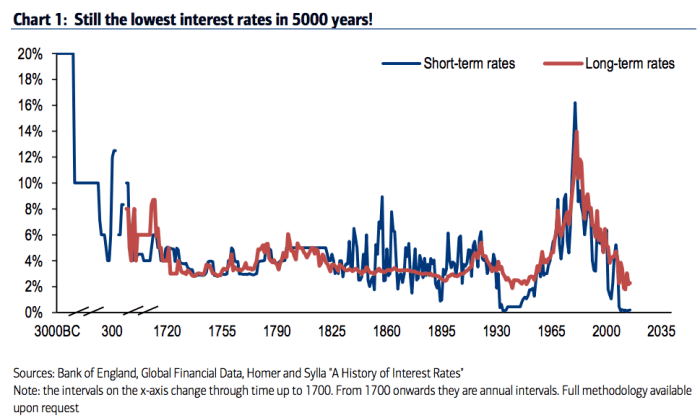
Interest rates play a crucial role in the global economy, influencing borrowing, investment, and overall economic growth. These rates can vary significantly from one country to another, impacting the cost of credit and the return on savings for individuals, businesses, and governments.
Countries with High and Low Interest Rates
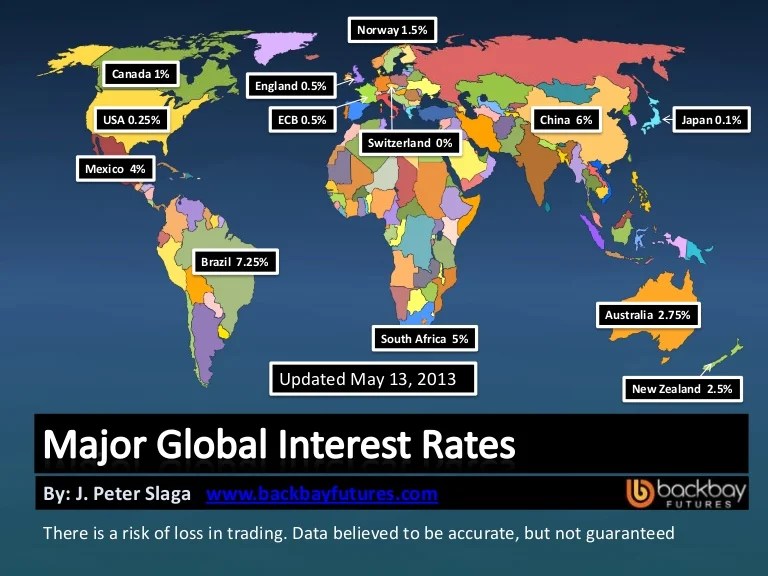
- High-Interest Rate Countries: Countries like Argentina, Turkey, and Brazil have historically had high-interest rates due to factors such as high inflation, economic instability, and currency depreciation.
- Low-Interest Rate Countries: On the other hand, countries like Japan, Switzerland, and the United States have had low-interest rates, often due to stable economies, low inflation, and central bank policy decisions.
Factors Influencing Interest Rate Decisions
- Economic Conditions: Central banks consider factors such as inflation, unemployment, and GDP growth when setting interest rates. For example, during periods of high inflation, central banks may raise rates to curb price increases.
- Government Policy: Fiscal policy decisions, such as government spending and taxation, can also influence interest rates. Higher government borrowing may lead to higher interest rates to attract investors.
- Global Economic Trends: Global events, such as trade tensions, geopolitical risks, and changes in commodity prices, can impact interest rates worldwide. Central banks may adjust rates in response to these external factors.
Importance of Interest Rates: Global Interest Rate Comparison
Interest rates play a crucial role in shaping the global economy, impacting various aspects of financial activities worldwide. Let’s delve into the significance of interest rates and how they influence borrowing, saving, investing, and inflation rates on a global scale.
Impact on Borrowing, Saving, and Investing
Interest rates have a direct impact on borrowing costs for individuals, businesses, and governments. When interest rates are low, borrowing becomes cheaper, encouraging spending and investment in the economy. Conversely, high-interest rates can deter borrowing, leading to reduced spending and economic activity.On the other hand, interest rates also affect saving and investing behaviors. Higher interest rates incentivize saving as individuals can earn more on their savings through interest income.
This can lead to lower consumption levels but higher levels of capital accumulation for future investments.Additionally, interest rates influence investment decisions by affecting the cost of capital. Lower interest rates make borrowing for investment purposes more attractive, leading to increased business investments and economic growth. Conversely, higher interest rates can discourage investment due to higher borrowing costs, potentially slowing down economic expansion.
Relationship with Inflation Rates
Interest rates and inflation rates are closely interconnected. Central banks often use interest rates as a tool to control inflation. When inflation rates are high, central banks may raise interest rates to reduce consumer spending and curb inflationary pressures. Conversely, during periods of low inflation, central banks may lower interest rates to stimulate economic activity and boost inflation.Overall, interest rates have a significant impact on the global economy by influencing borrowing, saving, investing decisions, and inflation rates.
Understanding the dynamics of interest rates is crucial for policymakers, investors, and individuals to make informed financial decisions in a constantly evolving economic environment.
Historical Trends in Global Interest Rates
Interest rates have fluctuated significantly in major economies over the past decades, influenced by various economic factors and global events.
United States, Global interest rate comparison
The United States has experienced varying interest rate policies, with periods of both high and low rates. During economic recessions, the Federal Reserve tends to lower interest rates to stimulate borrowing and spending. Conversely, during periods of economic growth, interest rates are raised to prevent inflation.
European Union
The European Union, particularly the Eurozone countries, has seen historically low interest rates due to efforts to boost economic growth and combat deflation. The European Central Bank has implemented unconventional monetary policies, such as negative interest rates and quantitative easing, to support the economy.
Japan
Japan has struggled with low interest rates for an extended period, known as the “lost decade,” characterized by stagnant economic growth and deflation. The Bank of Japan has employed aggressive monetary measures to combat these challenges, including zero or negative interest rates.
Global Events Impact
Global events like the 2008 financial crisis, geopolitical tensions, and the COVID-19 pandemic have had profound effects on interest rates worldwide. Central banks have responded with swift policy adjustments to stabilize economies and financial markets, leading to unprecedented rate cuts and stimulus measures.
Factors Influencing Interest Rate Comparisons
Interest rates globally are influenced by a variety of factors that impact the economy and the financial markets. Understanding these factors is crucial for conducting accurate interest rate comparisons across countries.
Economic Indicators Impacting Interest Rates
Economic indicators such as GDP, unemployment rates, and inflation play a significant role in determining interest rates globally. A country with a strong GDP growth rate and low unemployment is likely to have higher interest rates to control inflation and encourage savings. On the other hand, a country facing high unemployment and low GDP growth may have lower interest rates to stimulate economic activity.
Central Banks’ Policies and Interest Rates
Central banks play a pivotal role in shaping interest rate decisions across countries. Through monetary policy tools, central banks adjust interest rates to achieve specific economic objectives. For instance, a central bank may raise interest rates to combat inflation or lower rates to spur borrowing and investment during an economic slowdown.
Exchange Rates and Global Interest Rate Comparisons
Exchange rates also impact global interest rate comparisons. A country with a higher interest rate relative to another may attract foreign investment, leading to an appreciation of its currency. This, in turn, can influence interest rate differentials between countries and impact capital flows and exchange rate movements.
Exploring the nuances of global interest rates reveals a tapestry of economic interconnections that shape the financial landscape. Understanding these comparisons is key to grasping the pulse of the global economy.
User Queries
How do interest rates impact the global economy?
Interest rates influence borrowing, saving, and investing on a global scale, playing a crucial role in shaping economic activities.
What factors influence interest rate decisions in different countries?
Economic indicators like GDP, unemployment, and inflation, along with central bank policies and exchange rates, all contribute to shaping interest rate decisions globally.
Can global events affect interest rate movements?
Absolutely, global events have a significant impact on interest rate movements as they can create shifts in economic conditions and policy responses.


