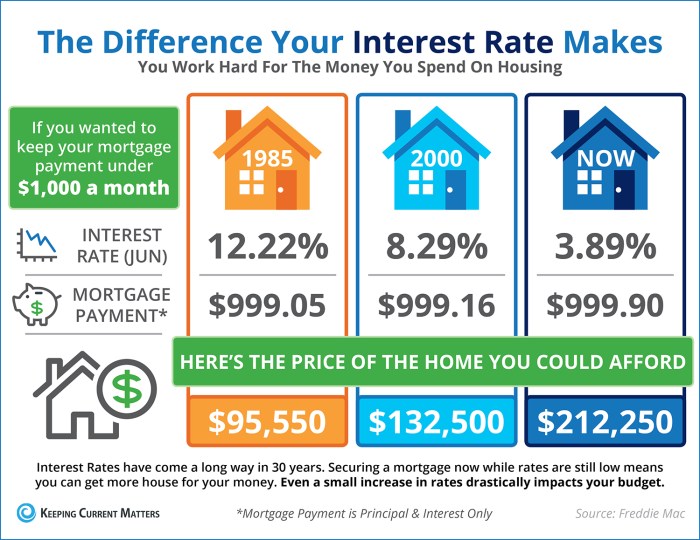
With How rising interest rates affect loans at the forefront, this paragraph opens a window to an engaging exploration of the financial landscape, shedding light on the intricate dance between interest rates and loans. From mortgages to student loans, the impact of rising rates is far-reaching and multifaceted, shaping borrowing behavior and approval rates. Let’s delve into this complex relationship and uncover key insights that can help navigate the changing financial tides.
As we uncover the nuances of interest rates and loans, we’ll unravel the impact of rising rates on different types of loans and how borrowers can adapt to these changes.
How Rising Interest Rates Impact Loans
When interest rates rise, the cost of borrowing money also increases. This has a direct impact on various types of loans, influencing both borrowers and lenders.
Effect on Mortgage Loans, How rising interest rates affect loans
Higher interest rates can lead to a spike in monthly mortgage payments for homeowners. This can make homeownership less affordable for some individuals, potentially leading to a decrease in home sales and property values.
Impact on Car Loans
For car loans, rising interest rates mean higher monthly payments for buyers. This can deter some consumers from purchasing new vehicles or lead them to opt for more affordable options.
Influence on Student Loans
Students who take out loans for higher education may face increased repayment amounts due to rising interest rates. This can result in higher overall costs for education and impact students’ financial decisions.
Understanding Interest Rates

Interest rates play a crucial role in the world of finance, affecting both borrowers and lenders. Let’s delve into what interest rates are, how they are determined, and the impact of changes in interest rates on loans.
Definition of Interest Rates
Interest rates represent the cost of borrowing money or the return on investment. They are typically expressed as a percentage and can be fixed or variable.
Fixed vs. Variable Interest Rates
Fixed interest rates remain the same throughout the life of the loan, providing borrowers with predictable monthly payments. On the other hand, variable interest rates fluctuate based on market conditions, leading to changes in monthly payments.
Impact of Interest Rate Changes
- For Borrowers:
- Higher interest rates mean increased borrowing costs, resulting in higher monthly payments for borrowers.
- Lower interest rates, on the other hand, can lead to savings for borrowers as they pay less in interest over the life of the loan.
- For Lenders:
- Rising interest rates can lead to higher profits for lenders as they charge more for loans.
- Conversely, falling interest rates may reduce lender profits, but could lead to increased loan demand.
Factors Influencing Loan Interest Rates
Loan interest rates are influenced by various factors that impact the cost of borrowing money. Understanding these key factors can help individuals make informed decisions when taking out loans.
Economic Indicators
Economic indicators such as GDP growth, unemployment rates, and consumer spending can have a significant impact on loan interest rates. When the economy is strong and growing, interest rates tend to rise as demand for loans increases. Conversely, during economic downturns, interest rates may decrease to stimulate borrowing and spending.
Inflation and Central Bank Policies
Inflation plays a crucial role in determining loan interest rates. Central banks adjust interest rates to control inflation and maintain price stability. Higher inflation rates often lead to higher interest rates to compensate for the decrease in purchasing power. Central bank policies, such as monetary policy decisions, can directly influence the direction of interest rates in the market.
Credit Scores and Loan Terms
Credit scores are a key factor in determining the interest rate offered on a loan. Borrowers with higher credit scores are considered less risky by lenders and are therefore offered lower interest rates. Additionally, loan terms, such as the loan amount, repayment period, and type of loan, can also affect interest rates. Shorter loan terms typically come with lower interest rates compared to longer-term loans.
Strategies for Managing Loans in a Rising Interest Rate Environment
In a scenario where interest rates are on the rise, borrowers need to be proactive in managing their loans to minimize the impact on their financial well-being. Here are some strategies to help navigate loans during periods of increasing interest rates:
Refinancing Loans to Secure Better Interest Rates
One effective strategy for managing loans in a rising interest rate environment is to consider refinancing existing loans to secure better interest rates. By refinancing, borrowers can potentially lower their monthly payments and save money over the life of the loan. It’s important to compare offers from different lenders and carefully assess the terms and conditions before deciding to refinance.
Importance of Budgeting and Financial Planning
Budgeting and financial planning play a crucial role in managing loans during periods of rising interest rates. It’s essential for borrowers to review their budget, identify areas where they can cut back on expenses, and allocate funds towards loan repayments. By creating a solid financial plan, borrowers can prioritize their loan payments and avoid falling into debt traps due to increased interest rates.
In conclusion, the intricate interplay between rising interest rates and loans unveils a dynamic landscape that requires strategic financial planning and adaptability. By understanding how interest rates influence borrowing costs and approval rates, individuals can make informed decisions to navigate the evolving financial terrain effectively.
Query Resolution: How Rising Interest Rates Affect Loans
How do rising interest rates impact loan costs?
Rising interest rates lead to higher borrowing costs for various types of loans, affecting monthly payments and overall loan affordability.
What factors determine loan interest rates?
Key factors influencing loan interest rates include economic indicators, inflation rates, central bank policies, credit scores, and loan terms.


