
Interest rate and housing market relationship sets the stage for this enthralling narrative, offering readers a glimpse into a story that is rich in detail with casual formal language style and brimming with originality from the outset.
Interest rates play a crucial role in shaping the dynamics of the housing market, influencing everything from home affordability to demand. Let’s delve deeper into this intricate connection and explore how fluctuations in interest rates can significantly impact the real estate landscape.
INTEREST RATES
Interest rates play a crucial role in the economy, affecting both consumers and businesses. They represent the cost of borrowing money and the return on savings.
Interest Rate Determination
Financial institutions, such as central banks, set interest rates based on various factors like inflation, economic growth, and monetary policy. These rates influence the overall cost of credit in the economy.
Impact on Borrowing and Saving
When interest rates are low, borrowing becomes cheaper, encouraging individuals and businesses to take out loans for investments. Conversely, high-interest rates can discourage borrowing and incentivize saving as it offers higher returns.
Relationship with Inflation
Interest rates and inflation have a complex relationship. Inflation refers to the increase in prices of goods and services, eroding the purchasing power of money. Higher inflation typically leads to higher interest rates to combat the decrease in the value of money.
Interest Rate and Housing Market Relationship
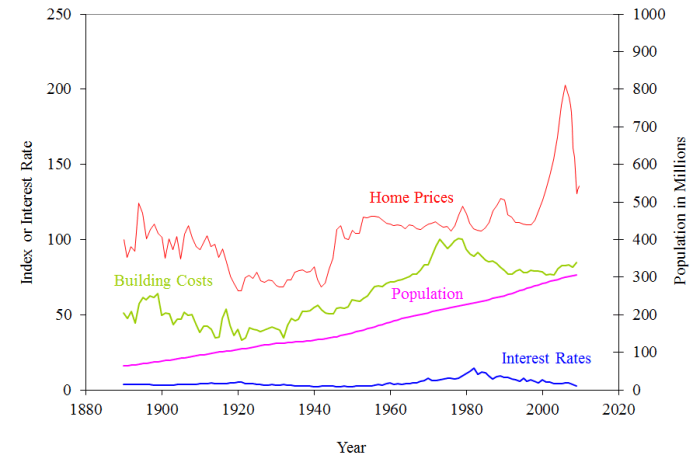
Interest rates play a significant role in shaping the dynamics of the housing market. The relationship between interest rates and the housing market is complex and multifaceted, impacting various aspects of real estate transactions.
Effect of Rising Interest Rates on Home Affordability
When interest rates rise, the cost of borrowing money increases. This, in turn, affects the affordability of homes for potential buyers. Higher interest rates translate to higher monthly mortgage payments, making it more challenging for individuals to qualify for loans and purchase homes. As a result, rising interest rates often lead to a decrease in home affordability, potentially dampening demand in the housing market.
How Lower Interest Rates Stimulate Housing Demand
Conversely, lower interest rates can stimulate housing demand by making homeownership more accessible and affordable. When interest rates are low, mortgage payments are more manageable, allowing a larger pool of buyers to enter the market. This increased demand can drive up home prices and spur greater housing market activity, as more individuals are able to afford homes and take advantage of favorable borrowing conditions.
Historical Trends in Response to Interest Rate Fluctuations, Interest rate and housing market relationship
Historical data reveals interesting trends in the housing market in response to interest rate fluctuations. For example, during periods of low interest rates, there is often a surge in home sales and price appreciation as buyers capitalize on favorable financing conditions. Conversely, when interest rates rise, housing market activity may slow down as affordability becomes a challenge for potential buyers.
Understanding these historical patterns can provide valuable insights into how the housing market may react to future changes in interest rates.
In conclusion, the relationship between interest rates and the housing market is a complex interplay that significantly influences the real estate sector. By understanding how interest rates affect home prices, affordability, and demand, individuals can make informed decisions in the ever-evolving housing market landscape.
FAQ: Interest Rate And Housing Market Relationship
How do interest rates impact housing market trends?
Interest rates can affect housing market trends by influencing borrowing costs, home affordability, and overall demand for real estate.
What is the historical relationship between interest rates and the housing market?
Historical data shows that fluctuations in interest rates have a direct correlation with changes in housing market activity, impacting buying and selling behaviors.
Can lower interest rates stimulate housing demand?
Yes, lower interest rates can make mortgages more affordable, leading to increased demand for homes and potentially driving up prices in the housing market.


